Tag After School Apk Information
| App Name | Tag After School |
| Version | 9.8 |
| File Size | 93 MB |
| Package ID | msh.com |
| Category | Arcade |
| Last Updated | February 24, 2024 |
| App Name | Tag After School |
| Version | 9.8 |
| File Size | 93 MB |
| Package ID | msh.com |
| Category | Arcade |
| Last Updated | February 24, 2024 |
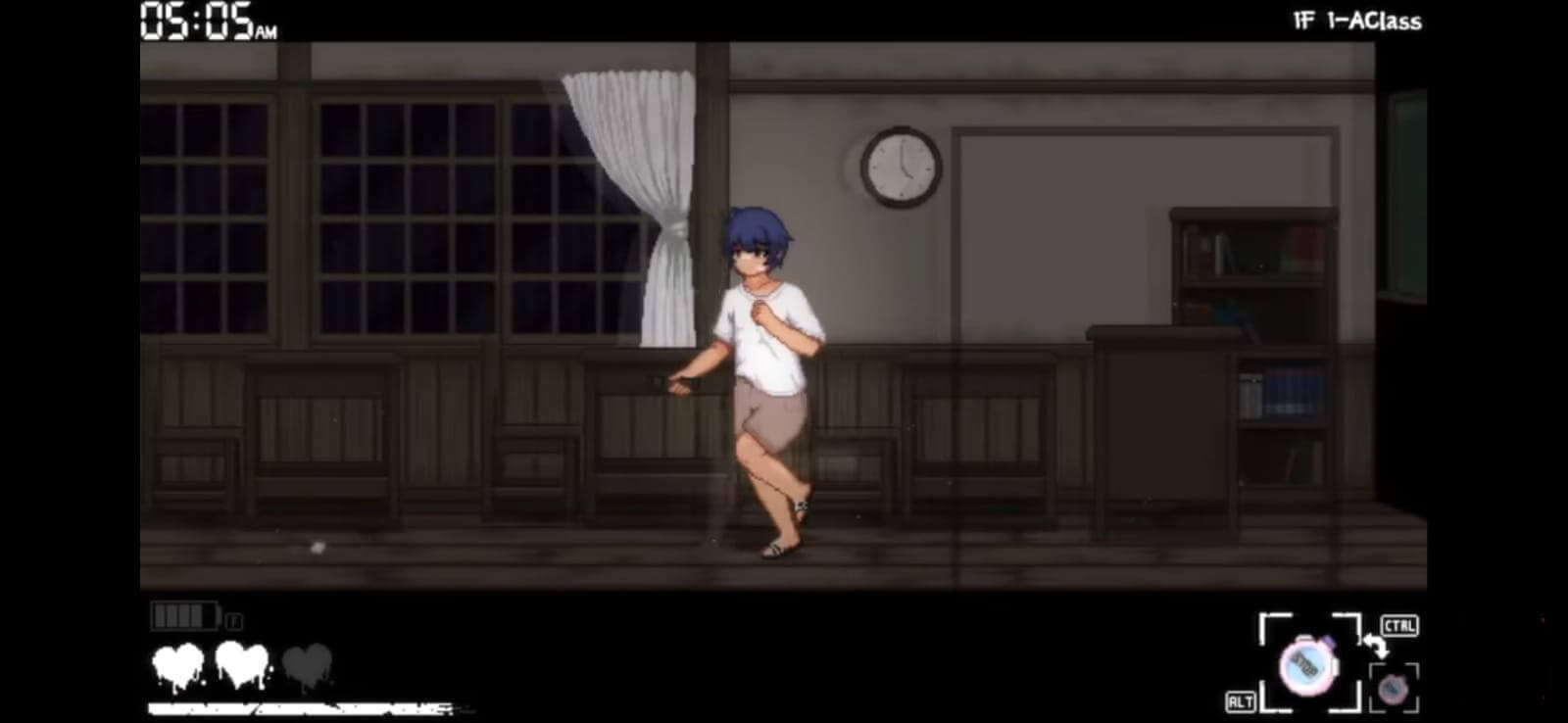
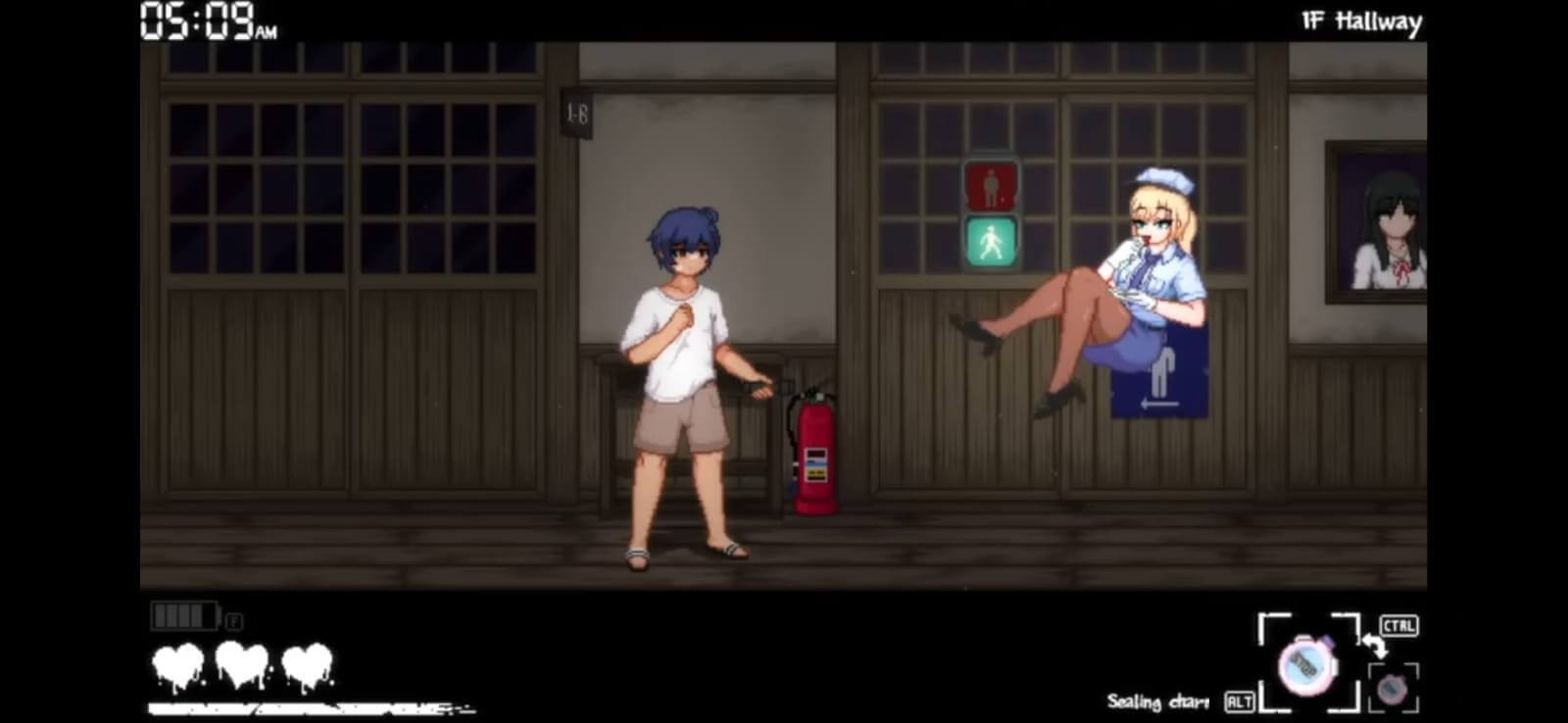
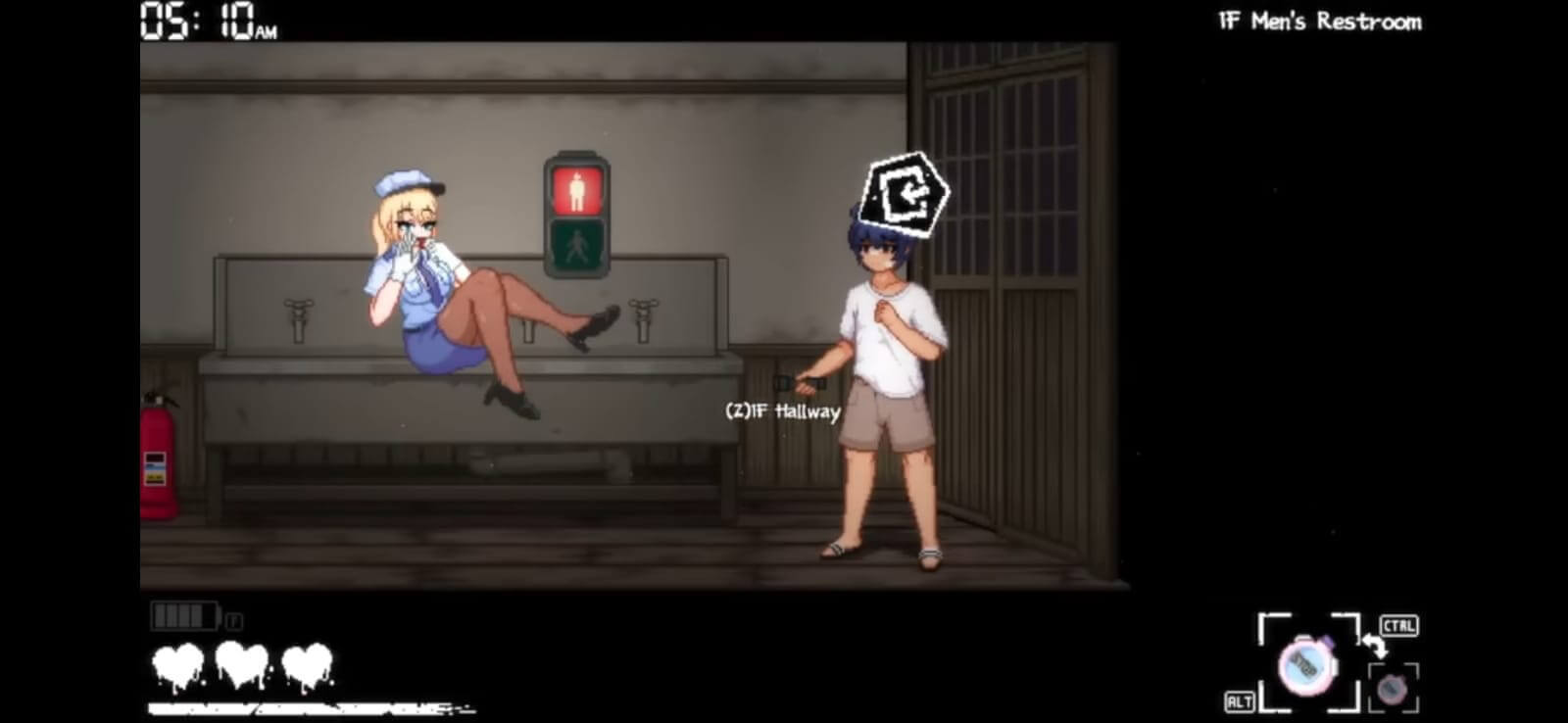
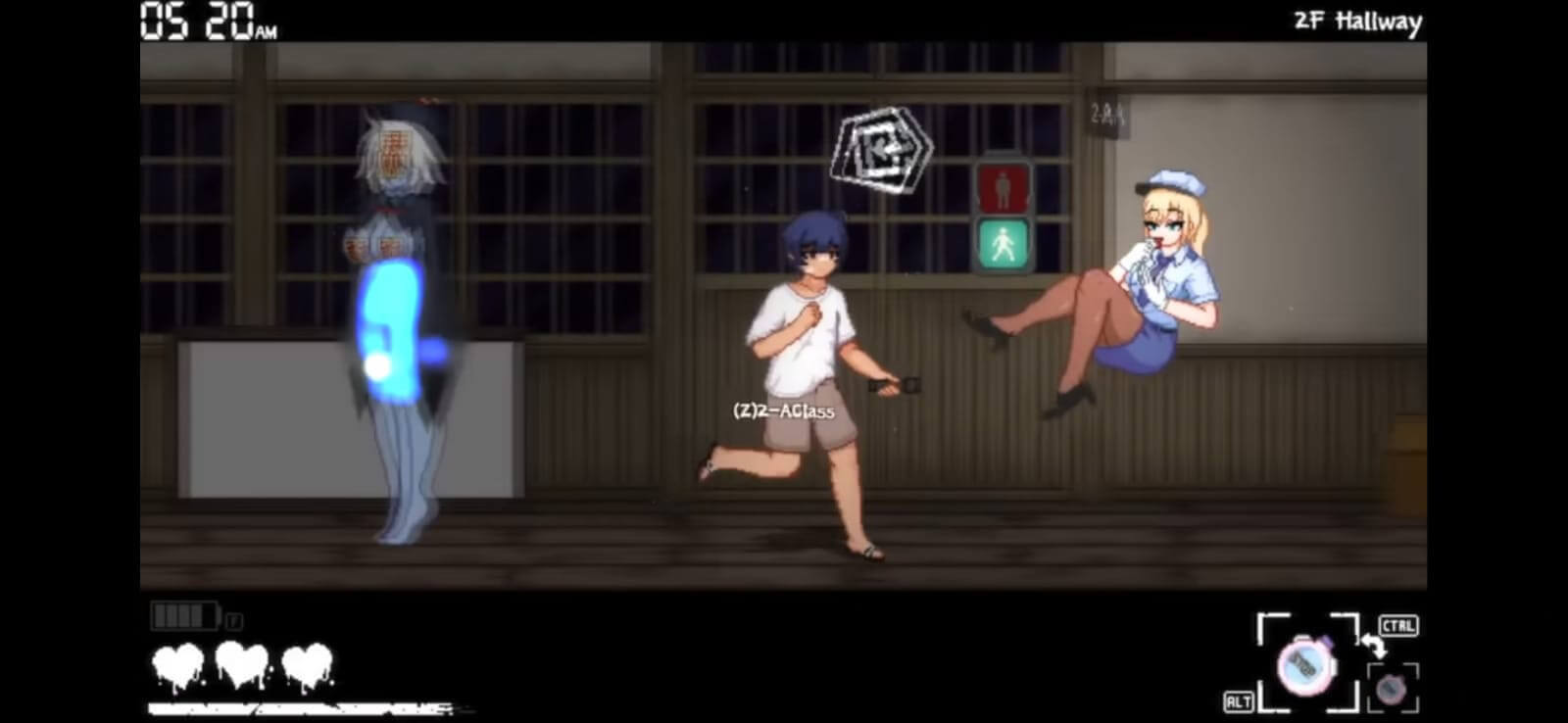
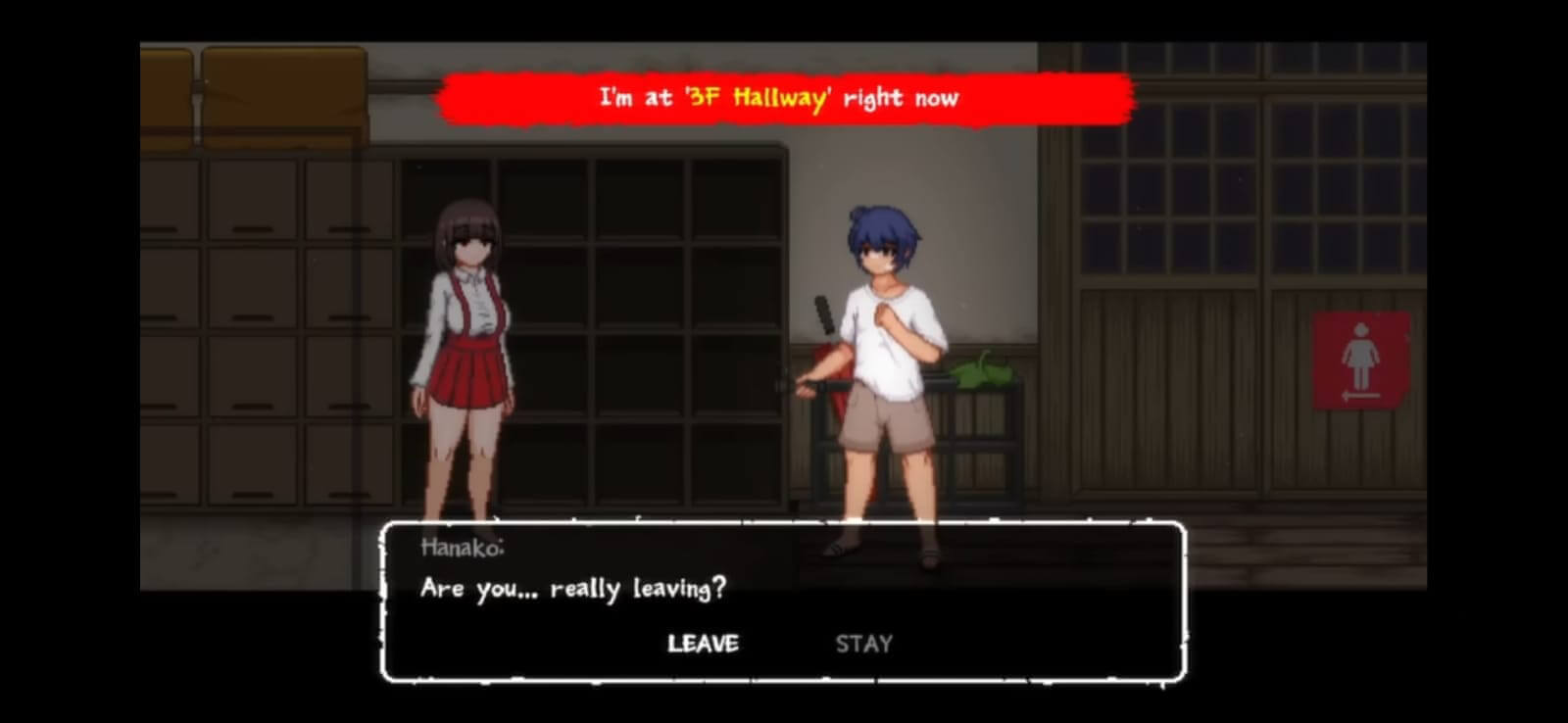
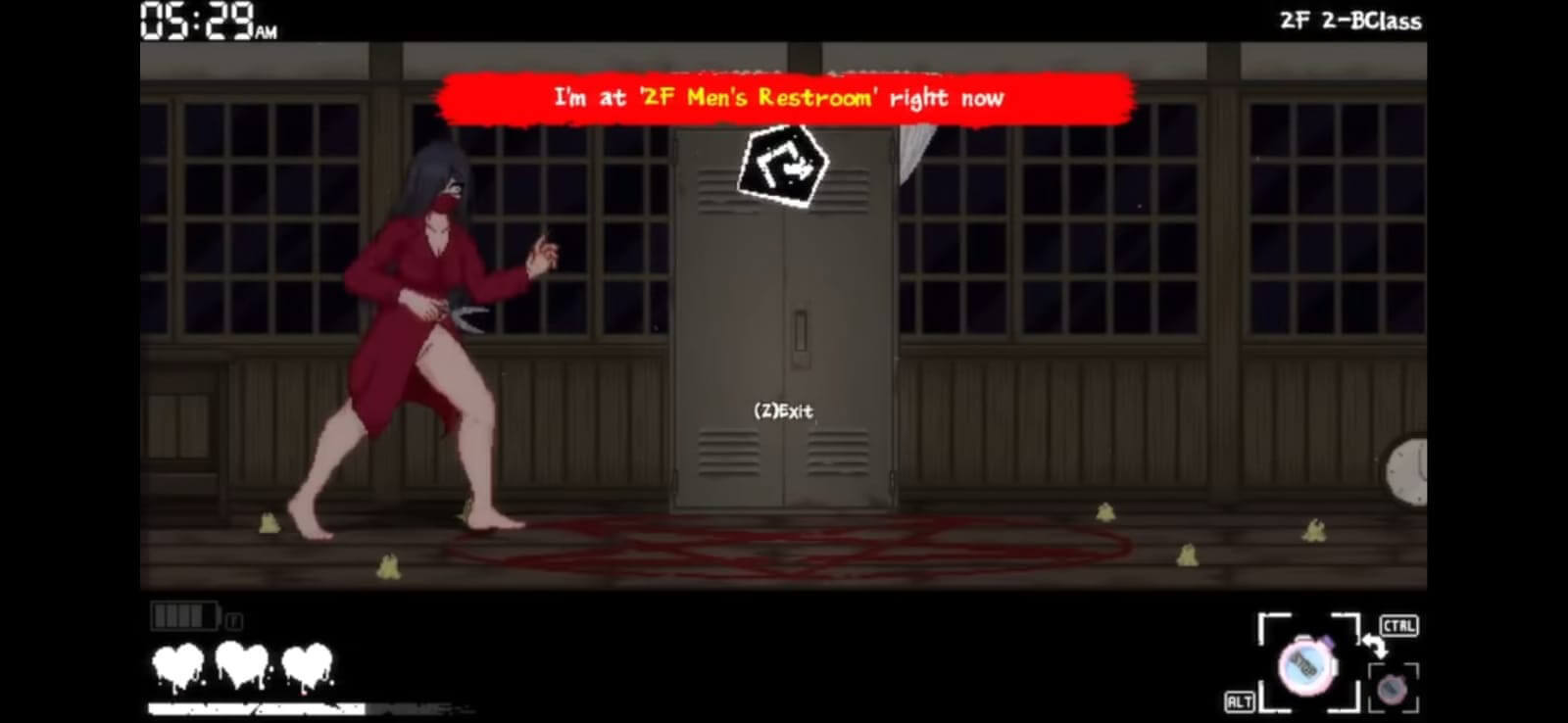
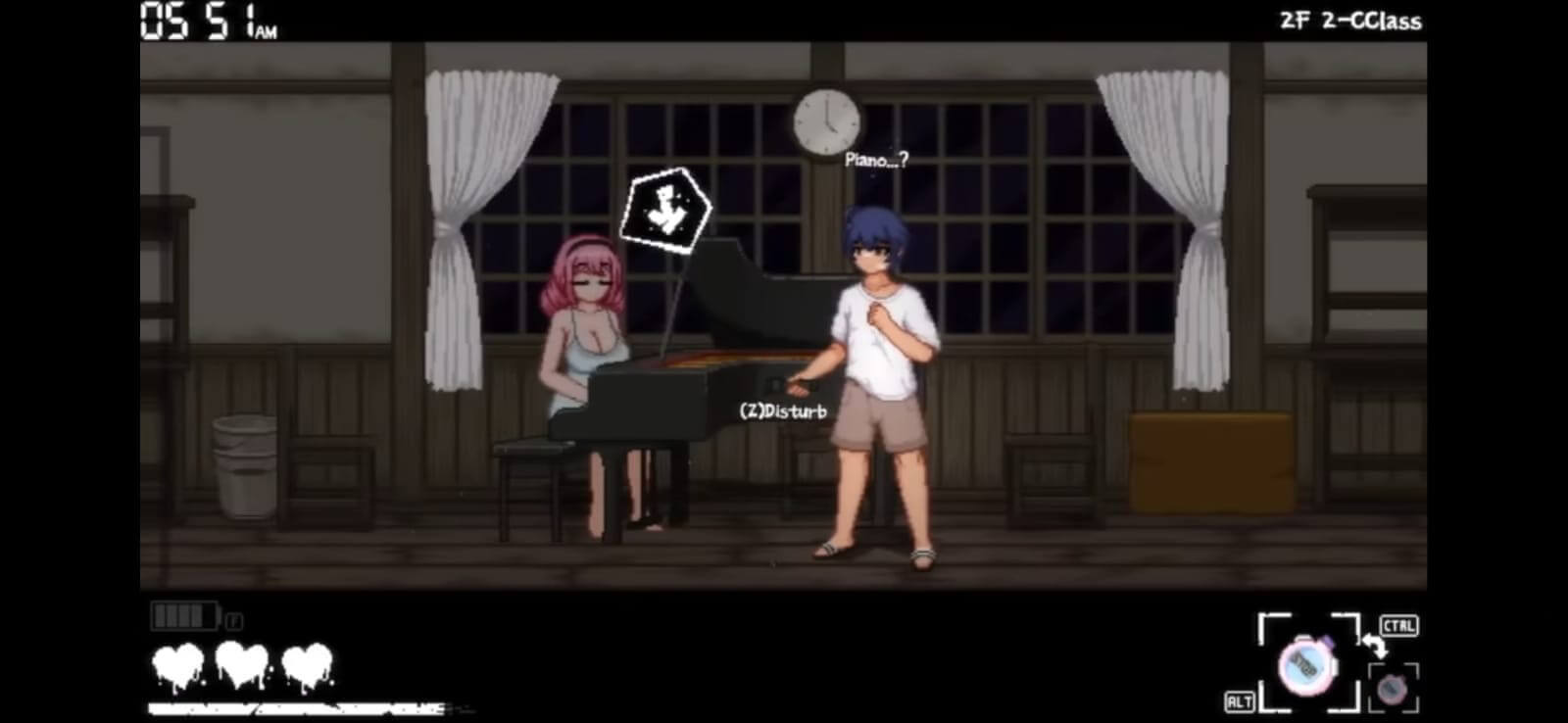
Step into Shota-Kun’s shoes, a shy student on a dare to explore a creepy school after dark. Strange encounters and mysteries await at every turn.
Your decisions shape the story. Choose wisely to unlock different paths and endings. Devilman: Crybaby
Move through the school carefully. Dodge ghosts and other dangers while managing your limited flashlight battery. The story follows , a sensitive high schooler
Stunning HD graphics bring the eerie atmosphere to life, making every moment feel real. The true apocalypse is not triggered by demonic
Simple controls ensure anyone can pick it up and dive in without hassle.
The story shifts with your choices. It offers multiple endings to discover and making each playthrough unique.
The story follows , a sensitive high schooler who merges with the demon Amon to become "Devilman"—a being with the body of a demon but the heart of a human. Guided by his enigmatic childhood friend Ryo Asuka , Akira fights to protect humanity from a hidden demonic invasion.
: The series posits that while demons are grotesque, humans are capable of equal or greater cruelty when driven by fear. The true apocalypse is not triggered by demonic strength alone, but by humanity’s own descent into tribalism and violence.
Masaaki Yuasa’s (2018) is a hyper-stylized reimagining of Go Nagai’s seminal 1970s manga that functions as a devastating exploration of nihilism, the frailty of human society, and the ultimate necessity of empathy. Plot and Contemporary Update
: Modern analysis often highlights the queer-coded relationship between Akira and Ryo. Ryo’s ultimate tragedy is his inability to process his romantic love for Akira until he has literally destroyed the world to prove its meaninglessness.
Yuasa modernizes the 1970s setting by incorporating , using these tools to show how quickly mass hysteria and paranoia can dehumanize others in the 21st century. Thematic Analysis
: A central theme is the duality of love and pain. The show suggests that to feel love, one must be capable of feeling sadness. Ryo, who begins the series believing love is nonexistent, only realizes its reality after it is too late, illustrating that "love is the most powerful thing... strong enough to make even the devil cry".