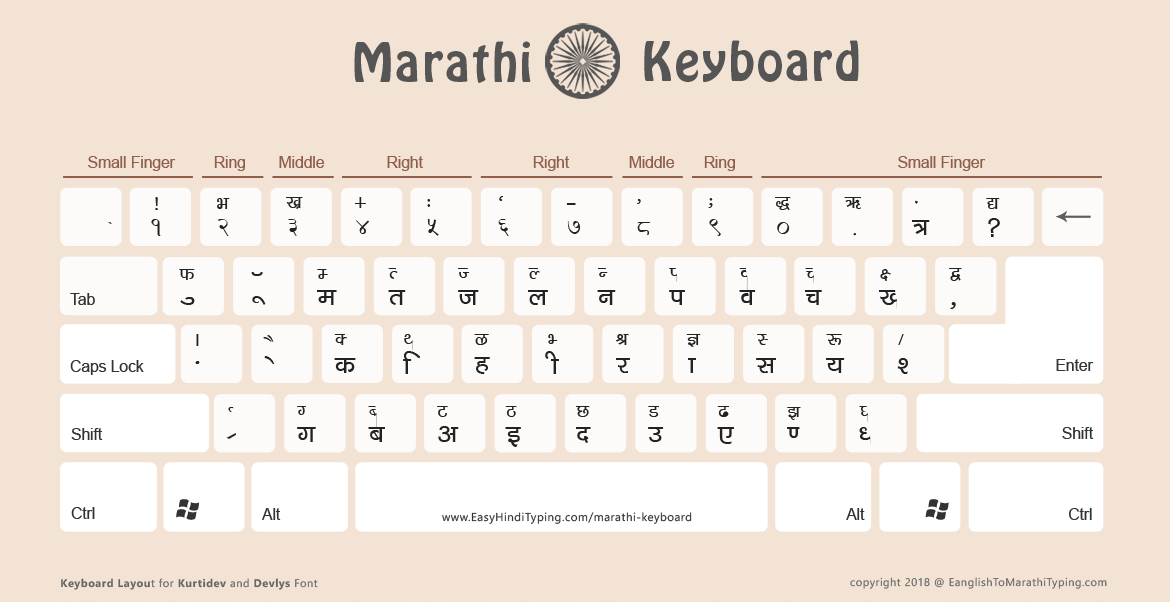
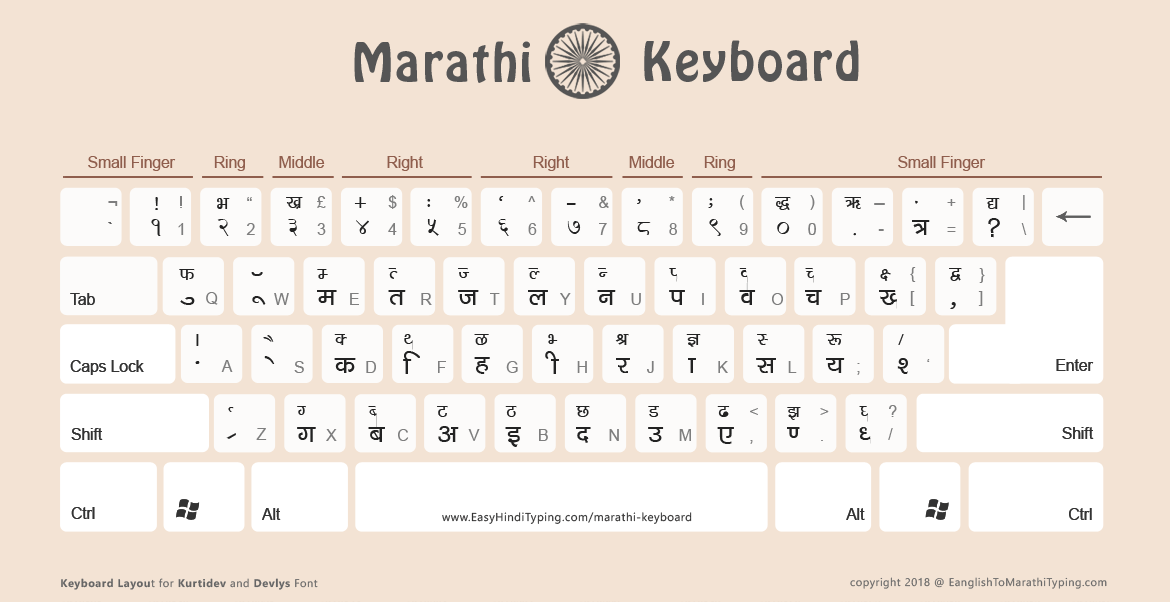
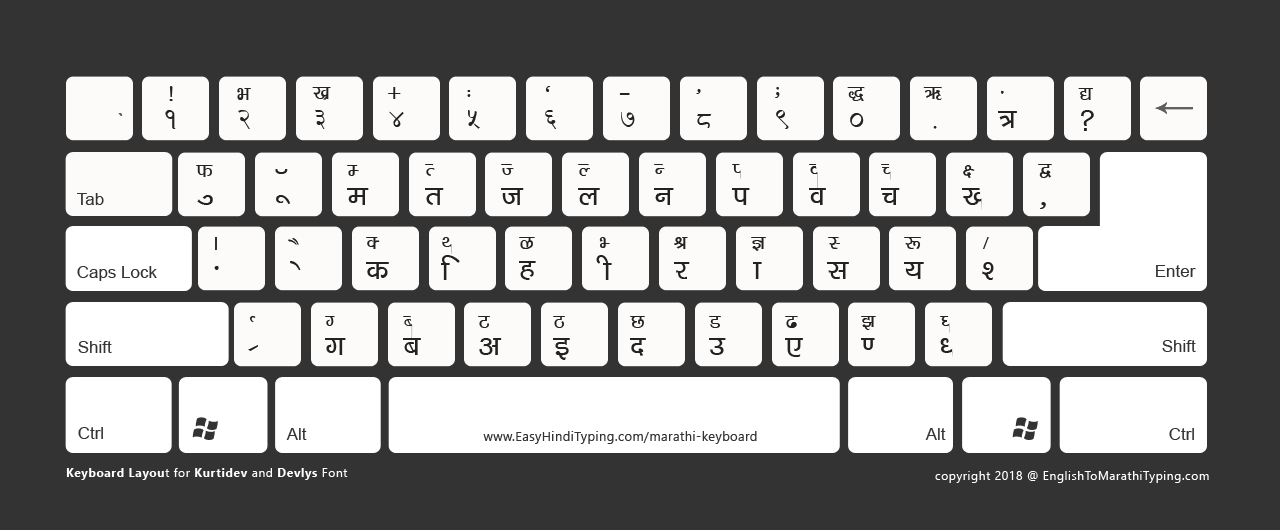
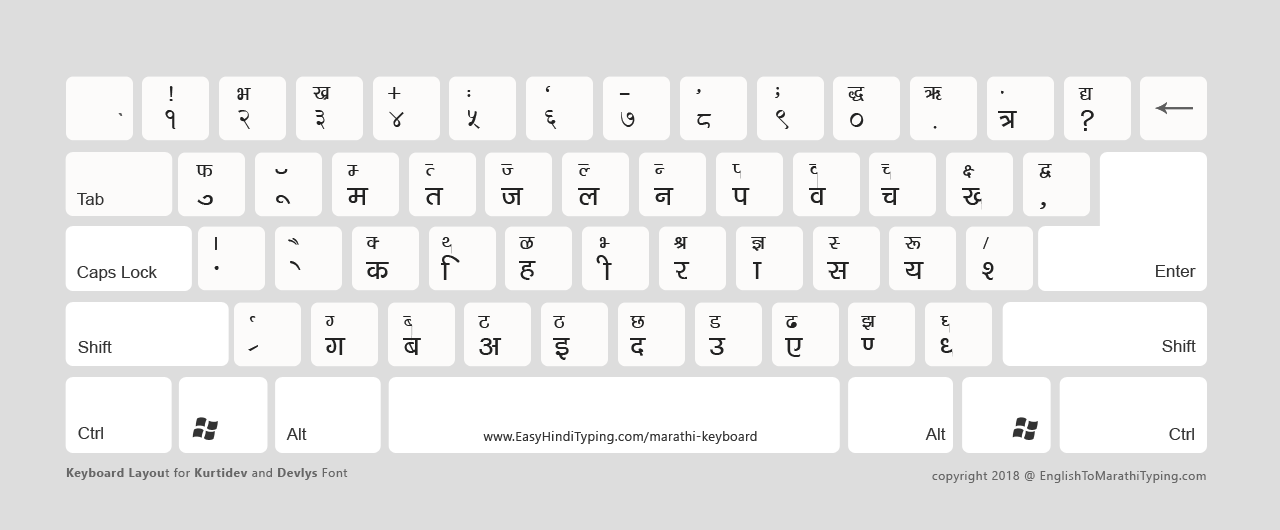
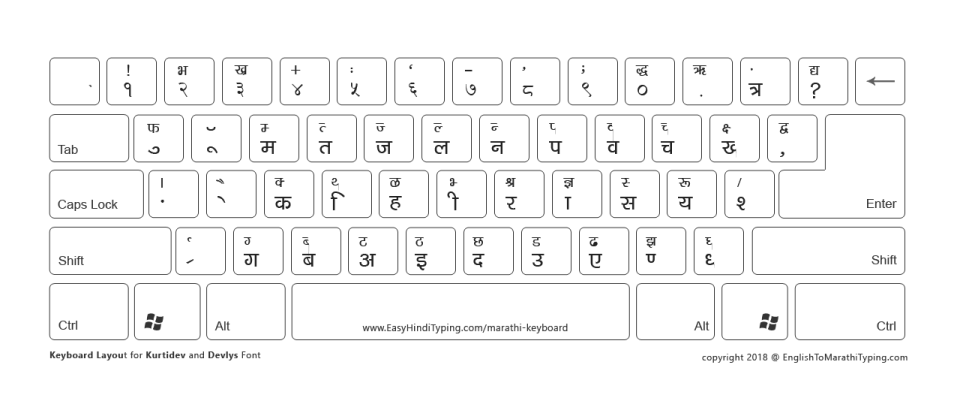
1. Remington (Typewriter) Marathi Keyboard for Kurti Dev and DevLys Fonts
Click this link to view all special characters not available on the keyboard layout above.
If you are looking for ready-made materials, there are many interactive tools available:
Focus on by labeling common items or using short sentences with visual cues. "This is a red apple . I like apples!" "The cat says 'Meow'. The dog says 'Woof'." "I see a big blue bus . Beep beep!" 2. Short Story: "The Helpful Squirrel" (Ages 4-7)
Turn daily routines into learning opportunities by using "English labels" or simple commands.
Rhymes help children learn the of English, which is the first step toward reading. "The cat in the hat sat on a mat ." " B ig b lue b alloons b ounce b y." 4. Interactive "English at Home" Ideas
Put index cards on the fridge , table , and door . Resources to Help
Products like the English Word Point-and-Read Book or ZeenKind Talking Book provide instant pronunciation help.
Cambridge Global English Starters offers structured practice for writing and letter recognition.
Coming up with text for children learning English depends on their age and level. Here are a few options ranging from simple vocabulary building to short, engaging stories. 1. Simple Vocabulary (Beginner / Toddlers)
 Sambhu Raj Singh ·