The film's cinematography, handled by Massimo Quest, is a character in its own right, capturing the ornate decadence of ancient Rome through a riot of color and composition. The film's use of bright reds, blues, and golds creates a sense of visual overload, mirroring Caligula's own sensory experiences.
At the center of the film is Malcolm McDowell's tour-de-force performance as Caligula, a ruler whose paranoia, megalomania, and sadism become increasingly unhinged as the film progresses. McDowell's portrayal is a masterclass in acting, capturing the Emperor's mercurial moods, his rapid-fire delivery, and his grotesque physicality. Caligula's infamous "horse scene," in which he declares his intention to appoint his horse, Incitatus, as Consul, is a standout moment of comedic absurdity, underscoring the Emperor's increasing detachment from reality. Caligula (1979)
Despite its notorious reputation, Caligula is more than just a prurient exercise in historical titillation. It is a thought-provoking exploration of the complexities of power, the dangers of totalitarianism, and the fragility of human sanity. Through its innovative narrative structure, bold visuals, and McDowell's virtuosic performance, Caligula remains a cult classic, a film that continues to fascinate and disturb audiences to this day. The film's cinematography, handled by Massimo Quest, is
Tinto Brass's 1979 film Caligula is a notorious and fascinating exploration of the decadence and depravity of ancient Rome, as well as the descent into madness of its infamous emperor, Caligula. The film, based on the novel by Allan Massursky, is a deliberate provocation, blending fact and fiction to create a surreal and dreamlike portrayal of power, corruption, and the absurdity of human nature. McDowell's portrayal is a masterclass in acting, capturing
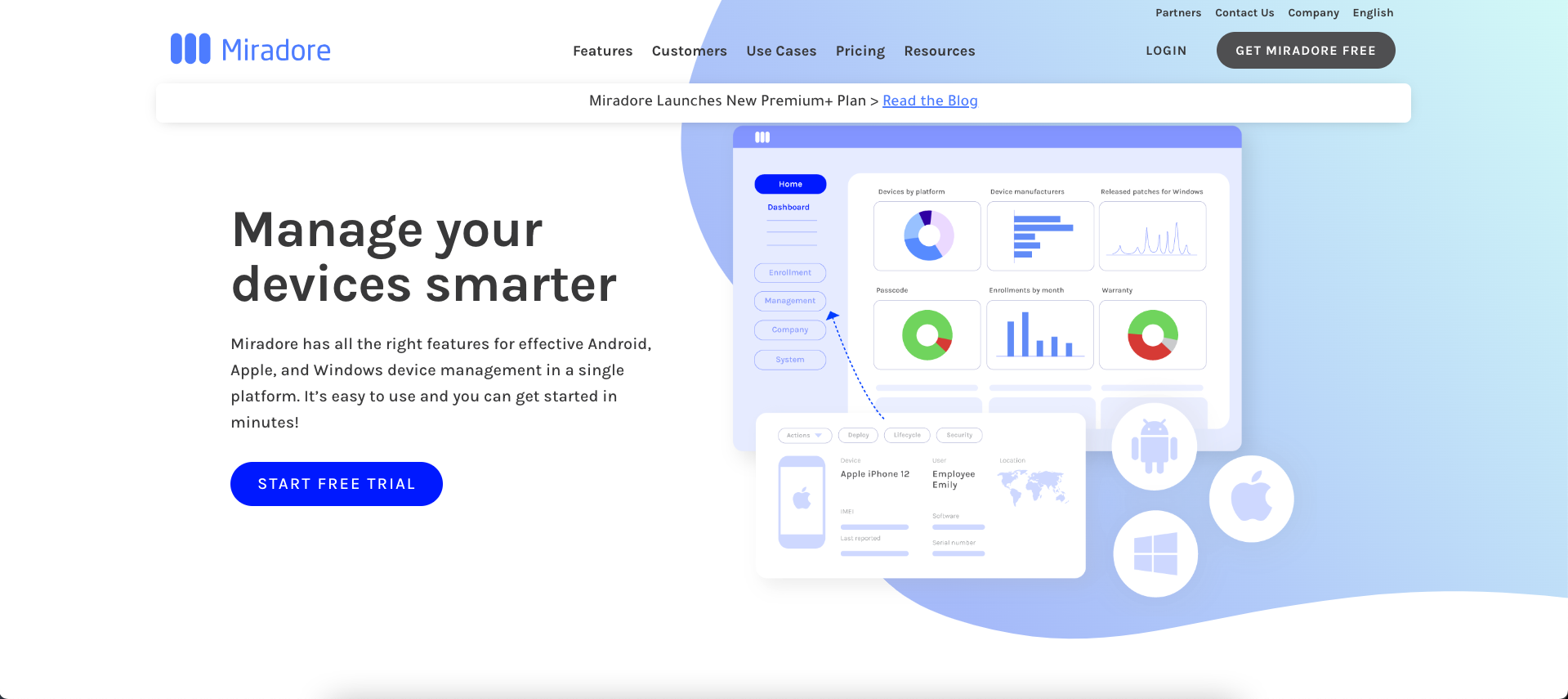
Miradore offers a comprehensive and user-friendly mobile device management platform that allows businesses to seamlessly secure, control, and automate a diverse array of devices including smartphones, laptops, and tablets, catering to the needs of SMBs, IT service providers, and educational institutions for streamlined operations and enhanced device compliance.
Enables businesses to enroll, secure, and manage mobile devices, ensuring streamlined operations and device compliance.
A comprehensive management solution that secures and manages a wide range of mobile devices within a corporate environment.
Unifies the management of mobile devices, laptops, and desktops under a single platform for better control and security.
Allows employees to use their personal devices for work while maintaining security and compliance with corporate policies.
Award-winning MDM solution recognized for its effectiveness, ease of use, and intuitive interface.
Supports a wide range of device restrictions, particularly for Apple iOS, offering strong control over device functionality.
Provides Kiosk mode for Android devices running Android 9 and above, ensuring devices are used for their intended purpose.
While offering a strong suite of features, brand recognition in the competitive MDM market could be increased.
Signing up with Miradore means starting to manage your Android, Apple, and Windows devices with their MDM software. You will likely explore features such as security management, device control, and automation capabilities like Business Policies. To get going with Miradore, you can sign up for a free 14-day trial on their website or contact their sales team for assistance. If Miradore isn't the perfect match for you, remember that there are other companies in our rankings to consider.