


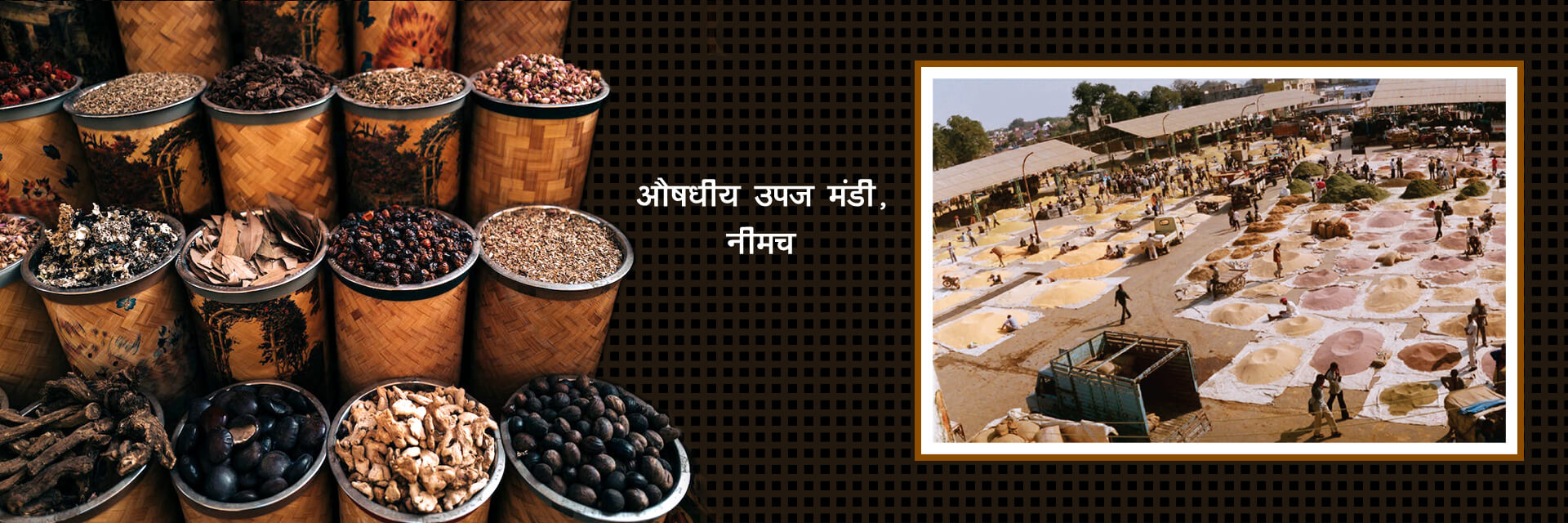





 सभी किसान भाइयों को मध्य प्रदेश राज्य कृषि बाजार सूचना केंद्र की और से वर्ष २०२५-२६ के लिए कृषि जींस मूल्य पूर्वानुमान कैलेंडर २०२५-२६ प्रेषित है।
 Bimillennium 〈Confirmed - HONEST REVIEW〉
A bimillennium is more than a chronological marker; it is a "purely notional" yet powerful opportunity for systematic reassessment. The early 21st century has witnessed a cluster of these anniversaries, most notably the 2,000th anniversary of the death of Augustus (AD 14–2014) and the death of Ovid (AD 17–2017). These milestones have sparked a "wave of new and creative scholarly interest," prompting historians and classicists to move beyond traditional hagiography toward more complex, "disfigured," or "globalized" interpretations of Roman legacy. The Augustan Bimillennium (2014)
Earlier in the 20th century, the "Bimillennium Vergilianum" (the 2,000th anniversary of Virgil’s birth in 1930) set the precedent for these celebrations. bimillennium
While Augustus represents the political architect of the era, the bimillennium of the poet Ovid focused on the endurance of his literary "transfiguration". A bimillennium is more than a chronological marker;
Investigations during this period highlighted how Augustus was often "Christianized" in later legends, such as the report of an oracle prefiguring the birth of Christ, which eventually linked him to the foundation of the Santa Maria in Aracoeli . The Ovidian Bimillennium (2017) The Augustan Bimillennium (2014) Earlier in the 20th